navigate the wild atlantic way in Style
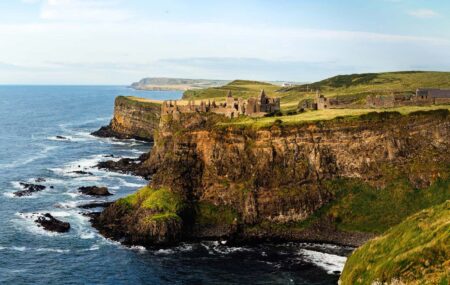
Driving the Wild Atlantic Way is one of the most unique road trips in the world – a journey through rugged coastlines, ancient landscapes, and timeless Irish culture. Stretching over 2,500km along Ireland’s western coast, this iconic route is best explored behind the wheel, at your own pace.
It’s not a route you rush. And that’s exactly the point.
At Celtic Routes, we design self-drive tours of the Wild Atlantic Way that combine luxury, freedom, and seamless planning – so you can focus on the road ahead. Discover Celtic Routes’ Ireland tours.
why pick a wild atlantic way self-drive tour?
A Celtic Routes self-drive Wild Atlantic Way tour gives you complete flexibility to experience Ireland your way. Whether it’s lingering at a coastal viewpoint or discovering a hidden village, you’re not tied to rigid schedules. Stay longer somewhere unexpected. Take the slower road just because it looks better.
Expect:
- Handpicked boutique hotels and coastal lodges
- Curated driving routes with suggested stop off points
- Iconic landmarks and lesser-known gems
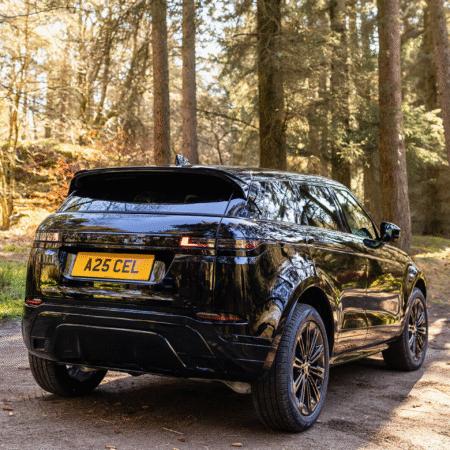
- The freedom of a premium vehicle built for exploration
From the dramatic Cliffs of Moher to the remote beauty of County Donegal, every mile is designed to inspire.
For a shorter Wild Atlantic Way experience, explore our 6-day Taste of the Wild Atlantic Way option:
suggested 9 day wild atlantic way itinerary
This Wild Atlantic Way road trip itinerary is inspired by our flagship journey:
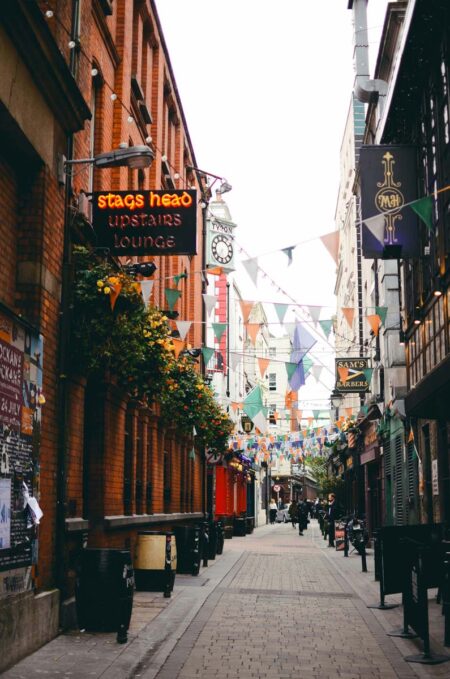
Day 1: Dublin to Connemara
Leave Dublin behind and journey west towards the wild beauty of Connemara – where your Wild Atlantic Way road trip really begins.
Highlights:
- Crossing Ireland’s scenic heartlands
- First Atlantic coastal views
- Lakes and mountain landscapes
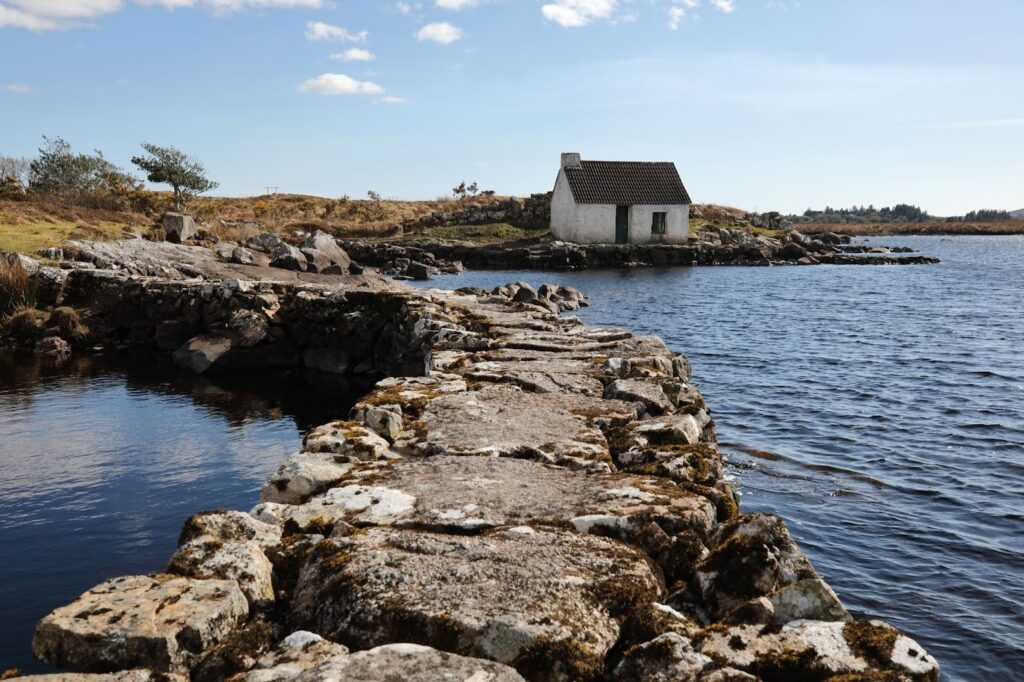
day 2: captivating connemara
Spend the day exploring one of Ireland’s most untamed regions where wild ponies roam free.
Highlights:
- Sky Road scenic drive
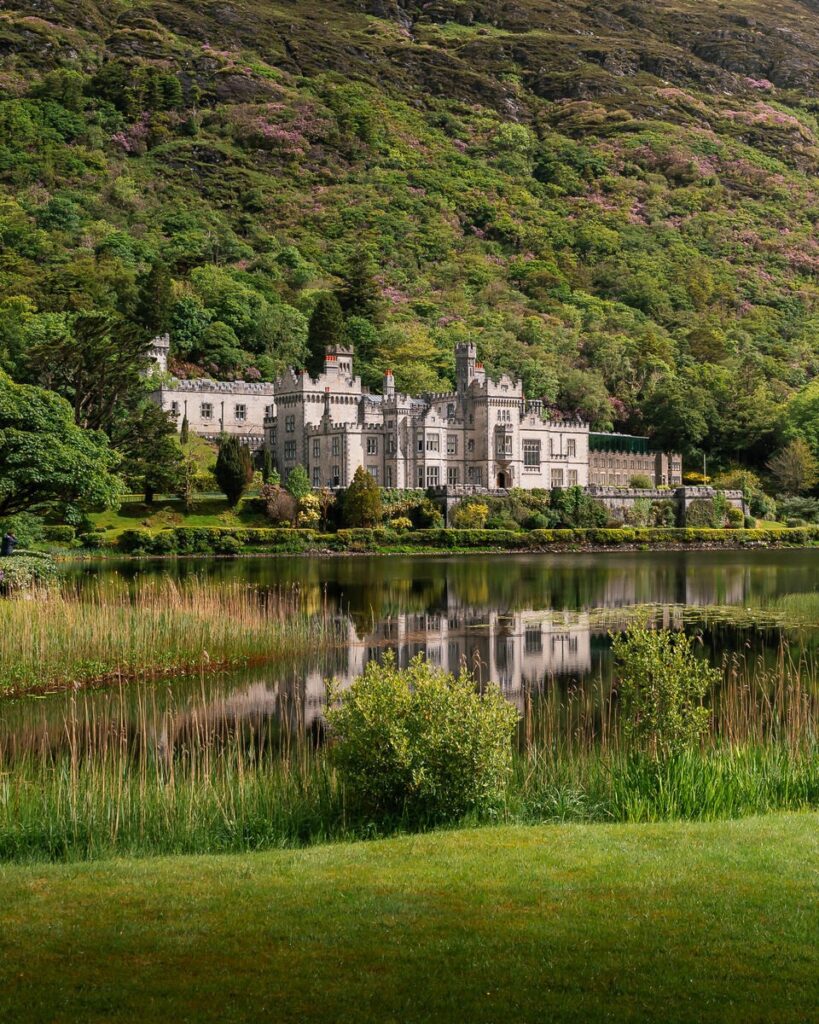
- Kylemore Abbey
- Backdrop of the Twelve Bens Mountains
You’ll likely stop more than you planned.
day 3: galway & the burren
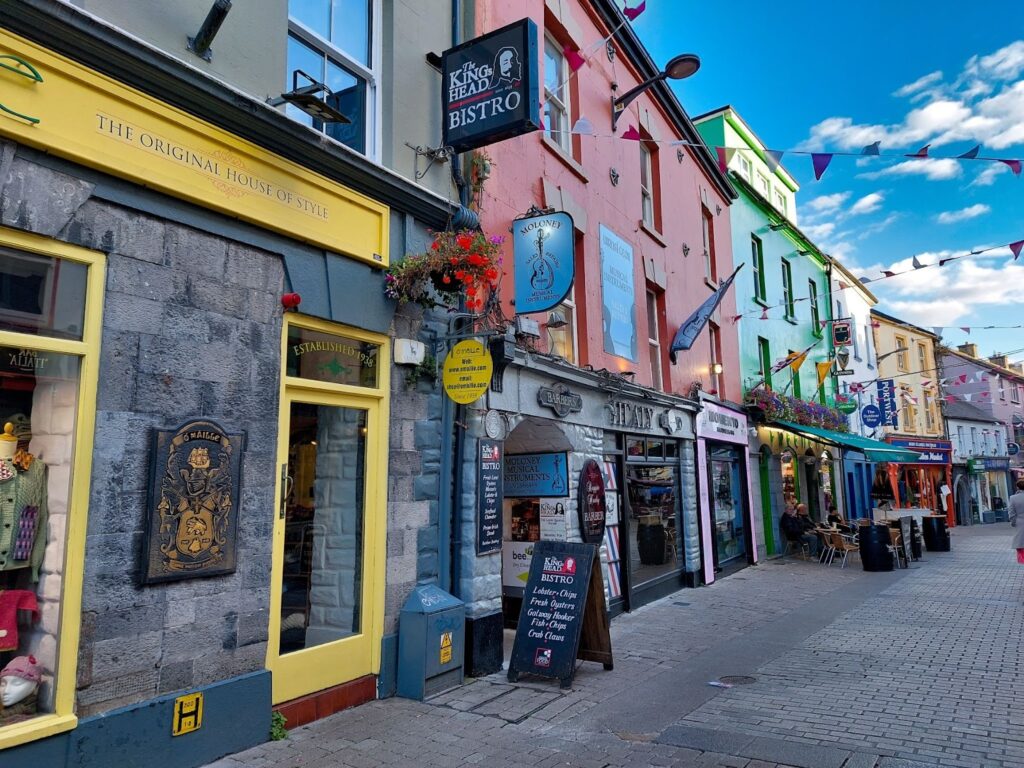
Arrive in vibrant Galway and let the pace accelerate from the slower days in Connemara before heading to the lunar-like landscapes of The Burren.
Highlights:
- Traditional Irish music scene
- Unique limestone landscapes
- Local food and artisan producers
Looking for a shorter Wild Atlantic Way itinerary?
day 4: the burren
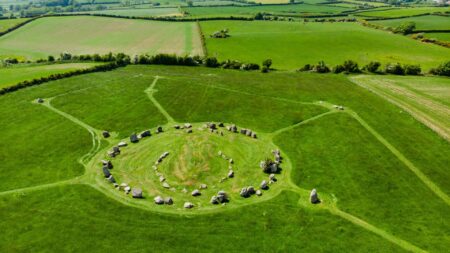
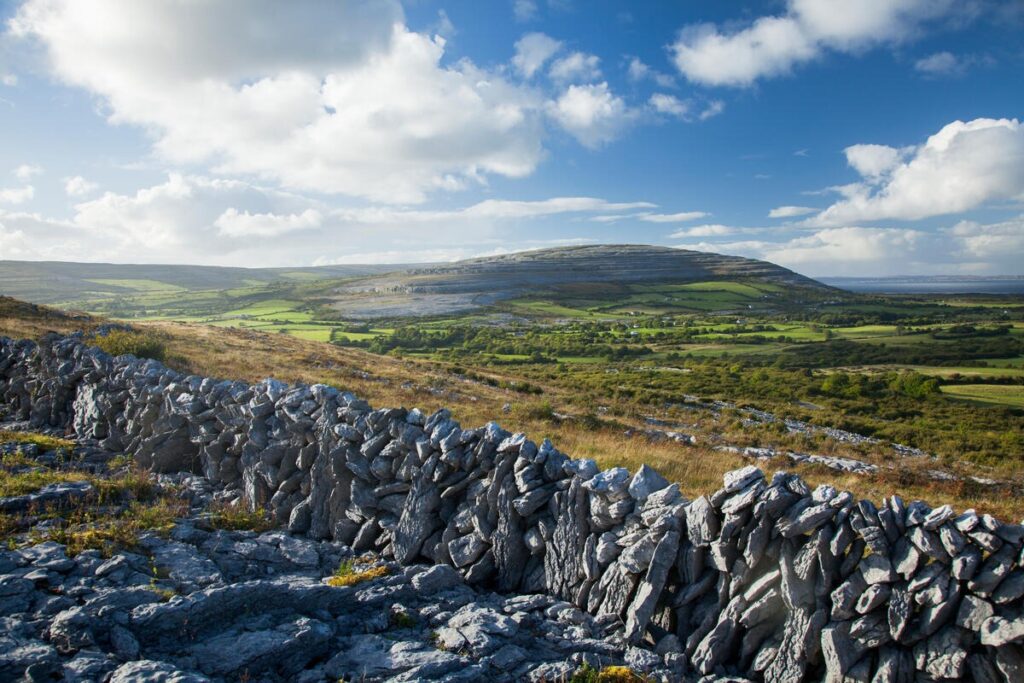
Return to a slower pace and immerse yourself in this unique region with its fascinating landscapes and ancient relics.
Highlights:
- Poulnabrone Dolmen
- Fascinating landscapes
- Quiet walking trails
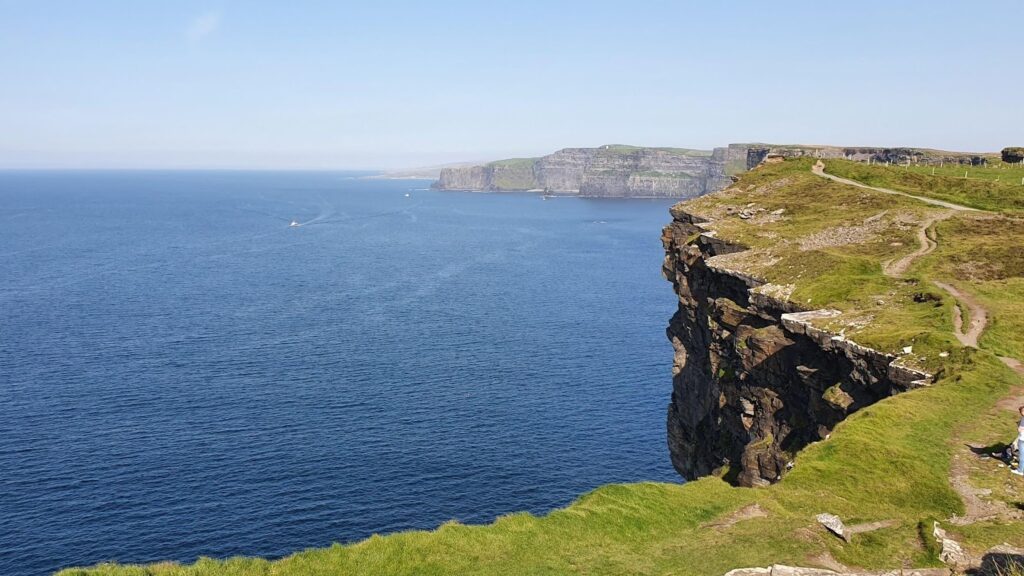
day 5: cliffs of moher & kerry
The Cliffs of Moher are one of Ireland’s most visited sights – and still, somehow, they live up to it.
From here, continue south into Kerry, where the scenery begins to shift once again.
Highlights:
- Atlantic viewpoints
- Scenic ferry crossings
- Coastal driving at its finest
Planning your journey? Read our expert guide:
day 6: dingle peninsula
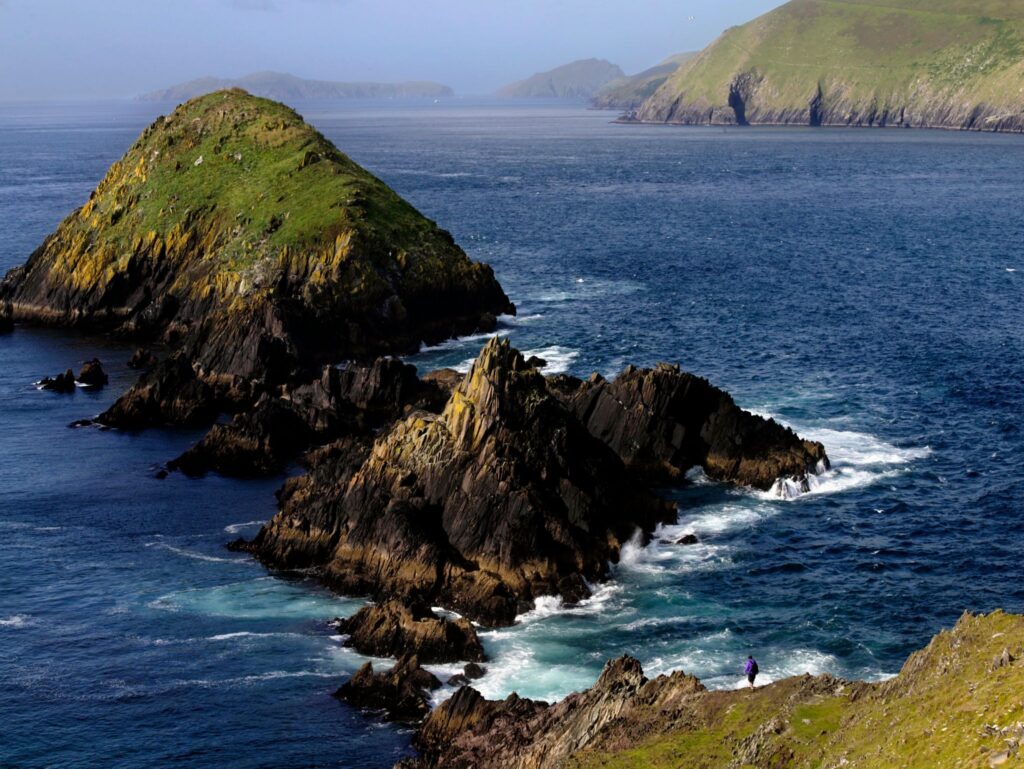
Explore the spectacular Dingle Peninsula, one of the most scenic stretches of the Wild Atlantic Way.
Highlights:
- Slea Head Drive
- Blasket Islands views
- Traditional Irish culture
day 7: ring of kerry
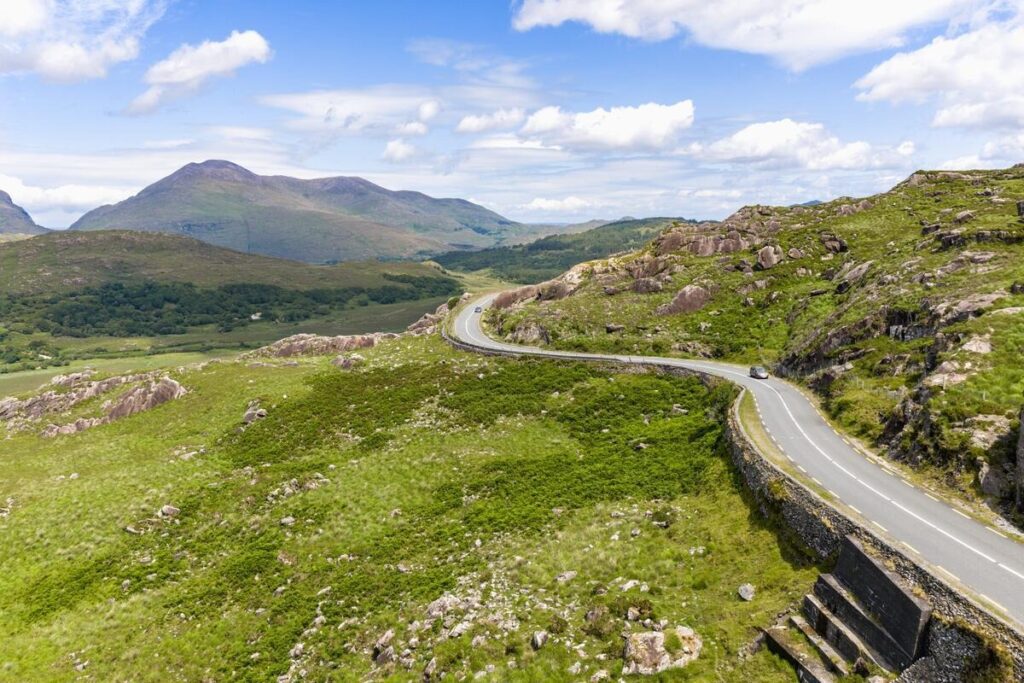
Take on the legendary Ring of Kerry – this world-famous section of the Wild Atlantic Way gets the attention – and in this case, it’s justified.
Highlights:
- Coastal villages
- Mountain passes
- Panoramic Atlantic views
Experience this route as part of our flagship journey:
day 8: beara peninsula
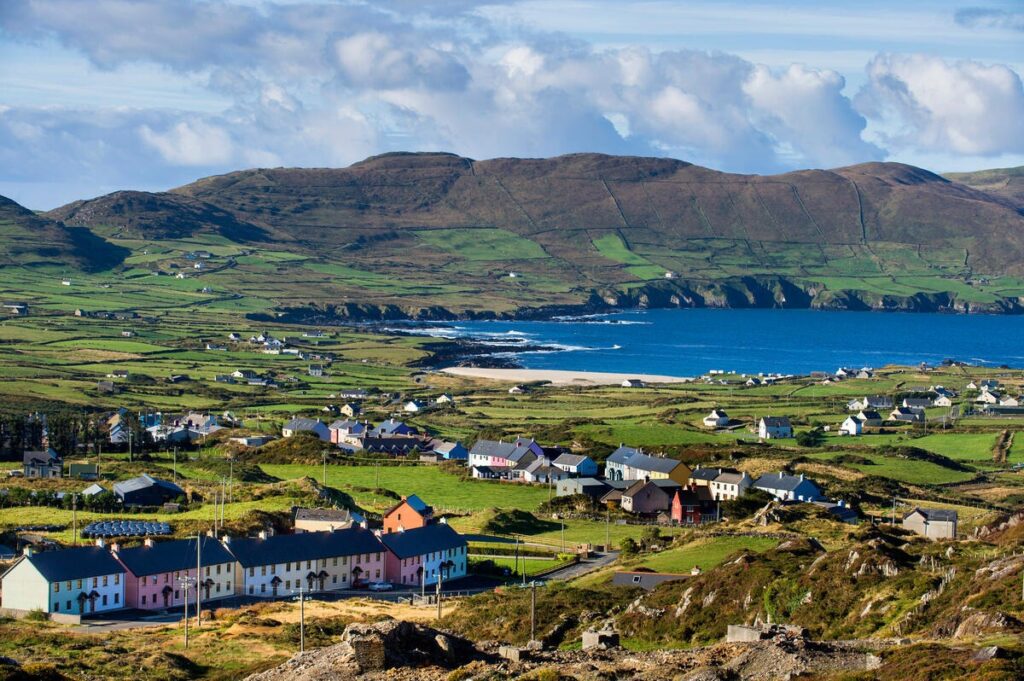
Discover wild landscapes of the Beara Peninsula. Quieter. Less travelled. And arguably just as rewarding.
Highlights:
- Find the route less travelled
- Heartstopping vistas on winding coastal roads
- Authentic Ireland
day 9: return to bublin
As your tour comes to an end, visit the Rock of Cashel on the final leg of your journey back to Dublin.
Highlights:
- The Rock of Cashel
- Medieval city of Kilkenny
- Add an extra night in Dublin at the end of your tour
when is the best time for a wild atlantic way road trip?
The best time to visit the Wild Atlantic Way is between May and September, when longer days and milder weather create ideal driving conditions.
April and October have their own appeal. Fewer people. More hotel availability. A slightly different pace.
For a quieter experience:
- Late April or early October
- Fewer crowds
- Greater hotel availability
expectations when driving the wild atlantic way
A Wild Atlantic Way itinerary is less about rigid schedules and more about embracing the journey.
Driving tips:
- Roads can be narrow – take your time
- Weather can change quickly – be prepared
- You’ll want to stop more than expected
For more expert advice, explore our full guide:
why travel with celtic routes?
There’s freedom in a road trip like this – but having the right structure behind it makes all the difference.
With Celtic Routes, your Wild Atlantic Way self-drive tour includes:
- Premium vehicles (automatic options available for US travellers)
- Carefully selected accommodation
- A route refined through experience
- Local insight when you need it
It’s independent travel, just without the uncertainty.
plan your wild atlantic way road trip
Whether you’re dreaming of a 7-day Wild Atlantic Way itinerary or a longer journey, our destination experts can create a bespoke route tailored entirely to you.
Explore our most popular journey:
Or browse all routes across Ireland:
Start planning your Wild Atlantic Way road trip today – and discover Ireland’s west coast the Celtic Routes way.
Frequently Asked Questions
How long do you need for a Wild Atlantic Way road trip?
Trip lengths vary but most visitors from North America spend 7 to 10 days on average on a Wild Atlantic Way road trip. That’s enough to see the highlights without feeling like you’re constantly on the move.
You could take longer – and some do – but a well-planned route lets you cover a lot without it becoming tiring.
Is the Wild Atlantic Way suitable for drivers from the US?
It is! Driving on the left can take some getting used to, especially on narrower roads, but you adjust quicker than you might expect. Most people find that after the first day, it feels fairly natural driving on the left.
Celtic Routes only use automatic vehicles, which makes driving much easier.
What is included in a Celtic Routes self-drive tour?
A Celtic Routes Wild Atlantic Way self-drive tour includes:
- A premium vehicle (with automatic options for US travellers)
- Carefully selected places to stay
- A fully mapped-out route tailored to your trip
- Local recommendations, plus support if you need it along the way
What airports should US travellers fly into?
Most US travellers start in either Dublin or Shannon. Both are convenient and give you easy access to the Wild Atlantic Way — it mostly depends on which part of the route you want to begin with.
Is Ireland safe for American visitors?
Yes! Ireland is regarded as a safe tourist destination for American visitors. Violent crime rates are low compared with many other countries. Petty crime (whilst rare) can happen, especially in larger cities like Dublin or Galway. Be vigilant in busy areas and tourist hotspots.
Towns and cities are largely safe at night, especially in well‑lit, populated areas. Be aware of your surroundings and stick to populated routes.
Do I need travel insurance to travel to Ireland?
We strongly recommend comprehensive travel insurance.
Does Ireland have good medical services?
Ireland has modern healthcare facilities. Pharmacies are easy to come across, and healthcare is modern. Make sure you carry your insurance details and any prescription medications you need on your trip.
Are taxi services and public transport safe?
They are. Trains, buses, taxis are all fairly straightforward to use. Book ahead if you can, but even on the day it’s usually simple enough to figure out.
How friendly are the Irish people?
Extremely! Irish locals are known for their warmth, helpfulness, and sense of humour, and many visitors comment that mixing with the locals is one of the highlights of their trip.