Ireland is filled with gorgeous coastlines, thriving cities and natural wonders. But there’s another type of landmark studded across this stunning landscape: Ireland’s historic castles. Throughout its rich history, Ireland has played host to its fair share of reigns, invasions, and struggles for power, resulting in more than 30,000 castles and ruins left behind across the country. Each castle houses a unique chapter of Irish history, providing travellers and history fans of all tastes with plenty to discover when exploring the Emerald Isle.
But with so many to explore, where do you start on your Irish adventure? In this blog, we’ll be taking a look at the 9 top castles in Ireland, with tips on how you can make the most of your visit.
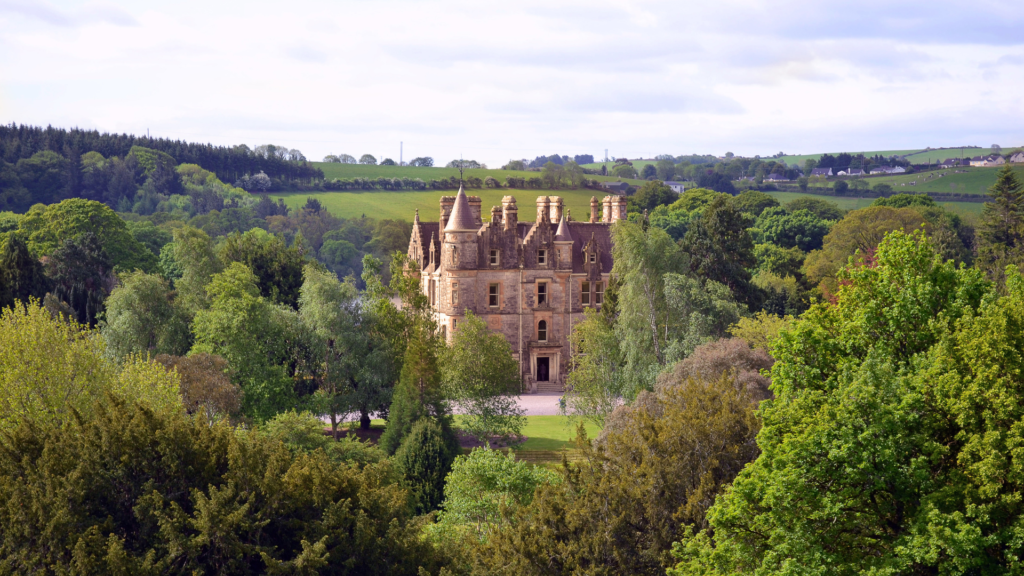
blarney castle: the legendary stOne
history and significance
Found near Cork, Blarney Castle was constructed as a mediaeval stronghold between the 15th and 17th centuries, and is one of the largest remaining castles in Ireland. The castle was originally built before 1200, but was destroyed in 1446 and rebuilt by Cormac MacCarthy, the King of Munster. The castle itself consists of a traditional tower-house structure, featuring stable and thick walls to help with defence, and a prominent location which would have offered excellent strategic views across the local area.
key features and attractions
The Blarney Stone
The stone is undoubtedly the biggest draw to Blarney castle, and with good reason. Legend has it that those who kiss the stone are blessed with the gift of the gab, and develop the innate skill of being able to speak with confidence. But in order to claim this gift, visitors must first conquer the 128-step climb, and kiss the stone whilst lying upside down.
Blarney House
Within the castle you’ll also find the house where the noble families have lived throughout the centuries. Built as a later addition onto the castle in 1874, the house is famed for its fusion of different architectural and interior decor styles, ranging from Jacobean to Neoclassical.
Gardens
There’s more than just the house and the castle to discover on your visit to Blarney Castle. Blarney Castle sits on 60 acres of beautiful Irish land. Studded with a water garden, a fern garden, and even a Victorian ice house, there is plenty to explore in the gardens, and a variety of walking routes to take after you’ve finished exploring the castle.
visitor tips and best times to visit
Arrive early to beat the crowds
The stone itself can get particularly busy with tourists throughout the day. If you’re planning on kissing the stone, you might want to get to the castle early and spend the rest of the day exploring the house and the grounds.
Plan in advance
Whilst you’ll be able to buy tickets on the day, you’ll get a cheaper rate if you buy online and in advance. Plus, you’ll be able to skip the ticket queues at the entrance.
Give yourself at least half a day to enjoy it
With so much to explore, you’ll want to set aside a good couple of hours, if not more, to see everything that Blarney Castle has to offer.
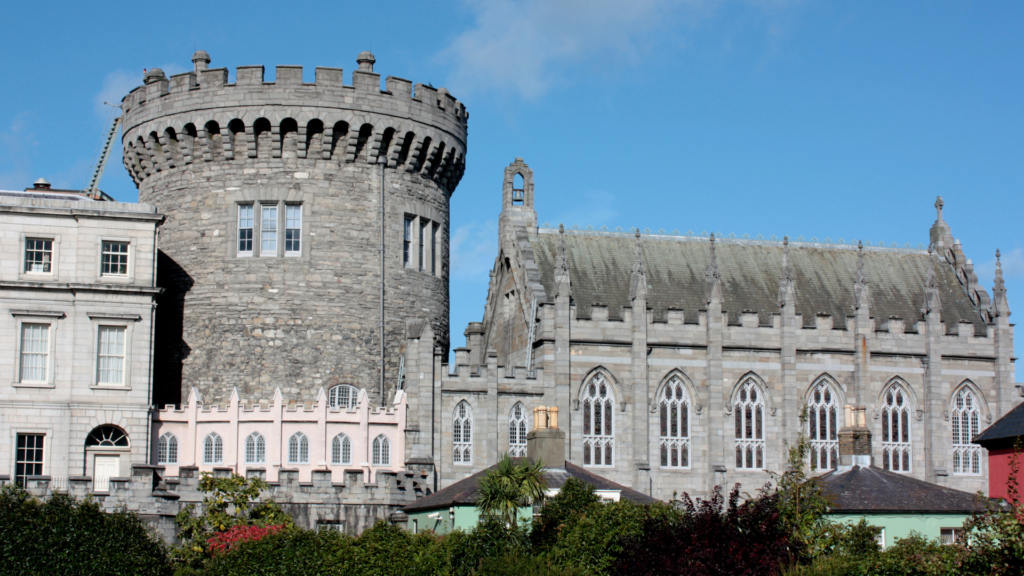
dublin castle: heart of the capital
historical background
As a key landmark in Ireland’s capital city, it’s no wonder that Dublin Castle has played a vital role throughout the country’s history. Built under the order of King John in the early 13th century on a Viking settlement, the castle first served as a military fortress, a court of law, as well as a treasury and even a prison. The castle was then used as the head of English and later British administration. It remained under British control until it was handed over to the Irish government in 1922.
notable architecture and exhibits
Viking Chamber
Underneath the castle you’ll find an in-tact subterranean Viking chamber. With some of the original Viking defences still visible, this is a great spot for fans of Irish history with a keen interest in Viking culture.
State Apartments
The residential part of the castle is widely renowned for its luxury decor. Each of the rooms in the state apartments are adorned with diverse styles, showcasing an impressive collection of art, furniture, and sculptures.
The Chapel Royal
Initially constructed in 1242, the current Chapel Royal is a jaw-dropping display of gothic architecture, designed by Francis Johnston in 1814. Housed under the spectacular vaulted ceilings, you’ll find the coats of arms of Ireland’s Viceroys emblazoned on the intricate stained glass windows.
practical visitor information
Take a guided tour
During your visit you can purchase tickets for a guided tour of the castle and state apartments. The apartments are packed with artefacts from different eras, each with their own story to tell, so learning from an expert tour guide is well worth it. It’s also worth noting that if you’re planning on visiting the Chapel Royal, this can only be accessed as part of a guided tour.
Parking
Whilst there isn’t any parking on site at the castle, its central location makes it incredibly easy to reach on foot, by taxi, or by public transport.
ashford castle: luxury and history
location and scenic beauty
Set on a luxury estate marked with grand stone gates, Ashford Castle is located on the shores of Lough Corrib in County Mayo, and is one of the few historic castles in Ireland that you can actually stay in. The rooms offer stunning views overlooking the lake, surrounded by 350 acres of beautifully landscaped gardens and serene woodlands.
historical context
Ashford Castle, built by the de Burgo family over 800 years ago, served as their principal stronghold during the family’s time in power. In 1715, the Browne family constructed a French-style chateau on the estate, which later became home to the Guinness family. In 1939, the castle was transformed into a hotel, marking the beginning of its new chapter as a luxurious retreat.
visitor experience
Despite not being open to the general public looking to explore the grounds, those who stay at the castle are treated to a series of luxurious and exclusive experiences. The castle features beautifully decorated rooms and a range of activities including horseback riding, boating, kayaking, fishing, and tennis. There is also a hotel spa, as well as numerous different cafes and restaurants catering to all different tastes.
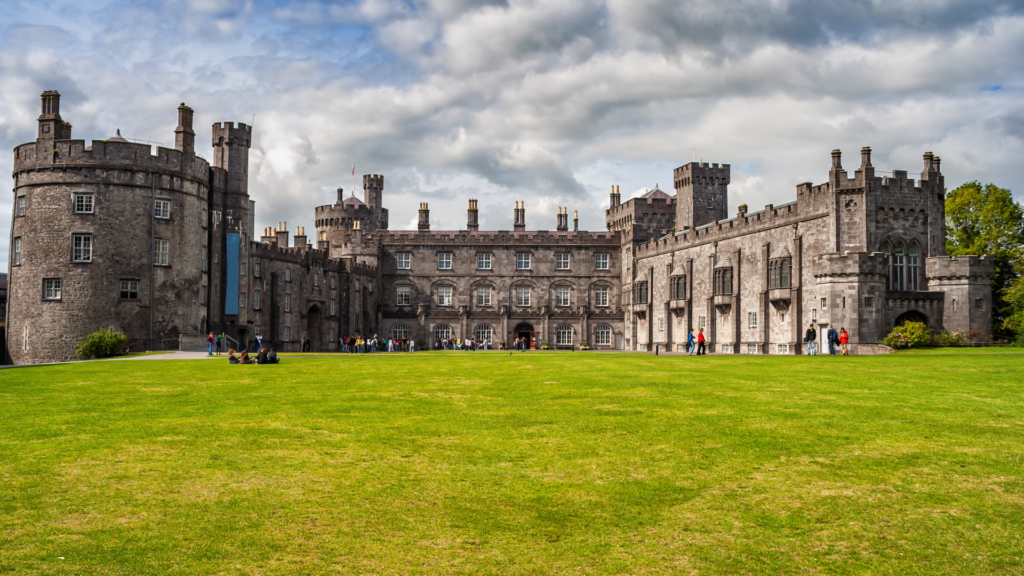
kilkenny castle: medieval marvel
historical importance
Kilkenny Castle, built in 1260, was strategically positioned to control the area between the River Nore and several other river junctions, and for over 600 years was owned by the Butler family and later by the Dukes of Ormond. The castle played a significant role in Irish history, serving as the site for many parliaments between 1293 and 1408.
architectural highlights
Picture Gallery and Tapestry Room
Located in the east wing, the castle’s picture gallery contains works that date back to the 19th century, including three intricate tapestries from the Decius suite.
Cantilevered Stairs
These intricate and masterfully constructed stairs are carved from Irish Wicklow granite and date to the early 19th century. If you look closely, you can still see the holes where the brass stair rods were put in place to hold the carpets.
Chinese Withdrawing Room
In a castle built for military advantage, it’s hard to believe that you’d find such intricate artwork within its walls. The Chinese Withdrawing Room showcases some of the original, hand-painted wallpaper from the 17th century, carried out by the studio of David Skinner. Social etiquette of the times dictated that the ladies of the house would withdraw to this room after dinner, whilst the men smoked and drank in the dining room.
best viewpoints and visitor advice
Explore the gardens
As well as taking a walk through the castle’s halls, be sure to enjoy the castle park and gardens too. The Kilkenny Castle gardens feature many perfectly manicured additions, such as a flourishing rose garden, a man-made lake, an apple tree orchard, and some sculptures and statues.
The Driveway
Whilst you can enjoy the view of the grounds from the upper floors of the castle interior, arguably the most stunning view of Kilkenny castle is the one you get as you walk up the driveway. It’s from this viewpoint that you can really see the castle in all its glory.

dunguaire castle: galway’s gem
historical background
Perched on top of a rocky outcrop along the southeastern shore of Galway Bay, Dunguaire Castle is famed for its dramatic presence and stunning location. As well as playing a key role in Ireland’s military history, owing to its strategic position, the castle would also be an important landmark in the country’s literary revival. Renovated in 1924 by Oliver St. John Gogarty, the castle soon became a haven for some of the country’s literary icons, including WB Yeats, George Bernard Shaw and Lady Gregory.
unique architectural features.
75 foot traditional Irish tower
The impressive 75 foot tower can be climbed by visitors, and offer incredible views over Galway Bay.
The Counterclockwise Staircase
This narrow and winding stairwell made it difficult for right-handed swordsmen to swing their swords, offering the castle residents an advantage as they defended their keep.
visitor information
Take plenty of pictures
It’s clear to see why Dunguaire Castle is one of Ireland’s most photographed castles. Whether you’re looking to capture the impressive architecture, or the surrounding natural landscape, make sure you get your own snaps of the castle on your visit.
Tickets
Whilst it’s free to walk around the grounds, there is a fee to enter the castle itself.
Bring your unanswered questions
Part of the lore about Dunguaire Castle is that the Lord of the castle was famed for his generosity, a characteristic which he was keen to continue in the afterlife. It is said that if you stand at the front gates of the castle and ask a question, you will have your answer by the end of the day.
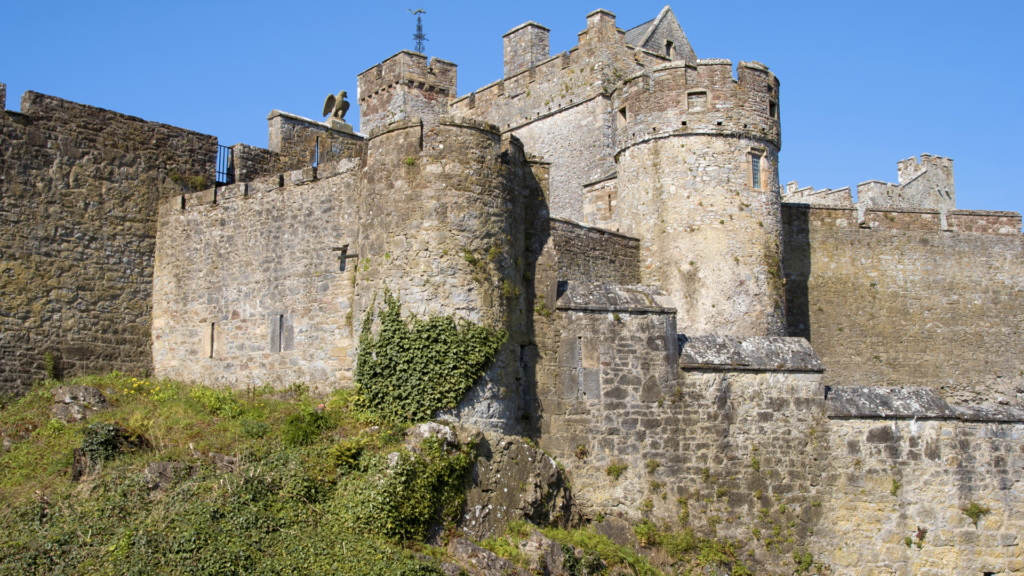
cahir castle: riverside fortress
architectural style and history
Standing majestically on the River Suir, Cahir Castle is the famed home of the legendary excalibur sword. Originally a stronghold for the Butler family, it fell to the Earl of Essex in 1599. Despite its turbulent history, much of the original structure remains intact, making it one of Ireland’s largest and best-preserved castles.
castle highlights
Great Hall centrepiece
Displayed proudly in the castle’s great hall you’ll find the head of a huge deer. The mounted skull belongs to the now-extinct Irish great elk, one of the largest deer species to have ever lived. Spanning an incredible 2.7 metres, the skull hangs at the end of the hall.
Military Remnants and the Lodged Cannonball
The castle, built in two parts, once featured cutting-edge military defences, including one of the last working portcullis in Ireland. Visitors can still spot a cannonball embedded in the wall of the middle courtyard, a relic from the 1599 siege.
practical visiting tips
Enjoy nearby attractions
After visiting the castle, you could explore the nearby Inch Field public park, which contains some wonderful wooden sculptures. Or take the riverside walk leading from the castle to Swiss Cottage.
Bring Sturdy Footwear
In the external parts of the grounds you’ll need to be careful of uneven paths, making sturdy footwear essential for your visit to Cahir Castle.
Narrow and winding walkways
As you explore the castle, take care in the narrow interior passageways and winding spiral staircases.
the rock of cashel
location and significance
The Rock of Cashel sits in a highly dramatic location, renowned for its stunning views overlooking the town. As the home of Cormac’s Chapel, the Hall of the Vicars Choral, and a fifteenth century tower house, the site is well known as one of the most impressive groups of mediaeval buildings. As a UNESCO World Heritage Site, the Rock of Cashel is steeped in history and legend, with some even believing that the stone has healing powers.
history and architecture
The Rock of Cashel is home to a rich history, and originally served as the seat of the kings of Munster. According to local legend, St. Patrick himself is said to have visited the castle, with the goal of converting King Aenghus to Christianity. In 1101, the castle was granted to the church, owing to its status as a significant landmark in Ireland.
visitors tips
Enjoy a guided tour
Visits are limited by guided tour, and their insight offers an informed glimpse into what life was like in the 10th century.
Take time to explore the rock
As well as the castle, there are also plenty of other landmarks and facilities on the rock just waiting to be explored. Once you’ve combed through the castle walls, be sure to venture to the nearby church too.
Bring waterproofs and the right footwear
A lot of the site is open air, so bring waterproofs and even an umbrella. In addition, the walk up from the bottom of the hill is fairly steep, so be sure to wear the right footwear and be prepared for a moderate walk.
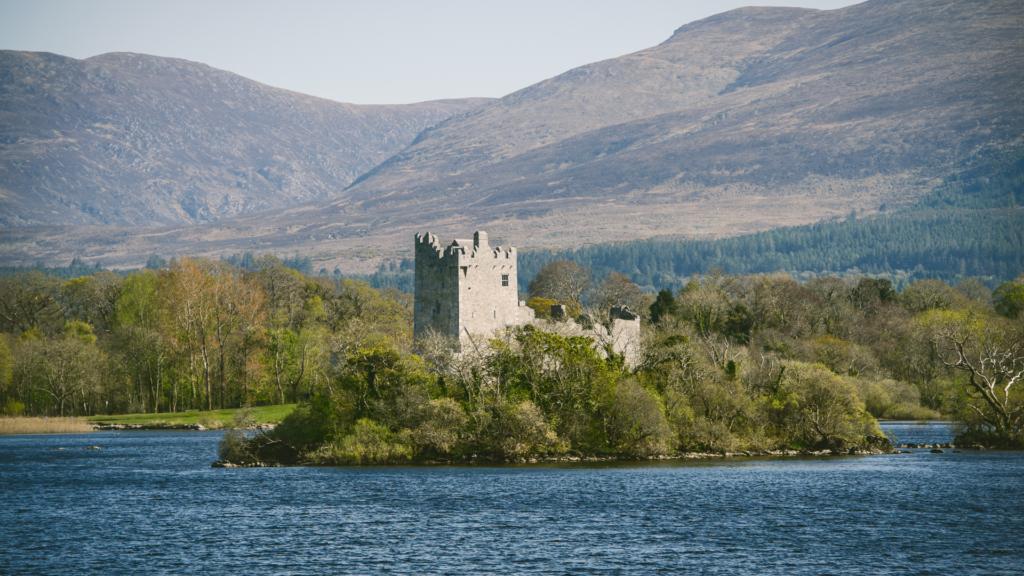
ross castle: lakeside beauty
coastal setting and beauty
Just a stone’s throw from the rugged south-west coast of Ireland, Ross Castle sits proudly along an inlet of Lough Leane. This picturesque setting is beautifully framed by the surrounding mountains, which rise majestically in the background.
historical significance
Due to its coastal location, the castle has played a prominent role throughout Ireland’s military history. Most notably, the castle was the last stronghold in Munster to resist Cromwell’s forces. According to local lore, the Irish chieftain O’Donoghue Mór, who ordered the construction of the castle, lies asleep under the surface of the lakes’ waters. It is said that every seven years, on the first morning of May, he emerges on his majestic white horse. Those fortunate enough to catch a glimpse of him are said to be blessed with good fortune for the rest of their lives.
visitor experience and amenities
Free parking
Just opposite the castle you’ll find free parking, perfect for those taking a self-drive tour of Ireland to explore its castles.
Things to do nearby
After you’ve explored the castle grounds, you could also take a boat trip out into the lock. The trips depart from Ross Castle dock and offer visitors a chance to get up close with Irish wildlife. If you’re looking to get out in nature on terra firma, Killarney National Park is located just next door to the castle, and is perfect for an afternoon of exploring.
conclusion: planning your castle tour
With so many castles to explore across Ireland, along coastlines, in cities, or nestled in deep Irish countryside, the best way to explore these historic landmarks is through a self-drive tour of the country. Not only does driving through Ireland give you control over what you see and when, it also allows you to explore further into the depths of the country, and experience the authentic side of Ireland, beyond the popular tourist locations.
To make the most of a self drive tour to explore the castles of Ireland, here are some tips from our expert team.
Don’t hold back on your itinerary
A lot of the castles can be found in neighbouring areas, meaning that you could probably fit more sight seeing into the day that you were expecting. Particularly with the smaller castles, which you can see within a couple of hours, you might even be able to plan a visit to two or three in one day.
Research parking
Particularly for smaller castles and locations, you’ll want to make sure you know where you’re going to be parking before you set off.
Prepare for the weather
Lots of the castles we’ve featured in this blog are mostly outdoor spaces, with minimal coverage to shelter you from wet weather. As you prepare for your castle tour of Ireland, be sure to pack waterproofs, layers, and sturdy shoes for exploring the areas surrounding the castles too.
Need a hand designing an itinerary that allows you to see the perfect Irish castles and landmarks to suit your tastes?
Get in touch with the team at Celtic Routes, and we’ll design the perfect itinerary for your journey along The Wild Atlantic Way.