Drive Northern Ireland’s Causeway Coast with scenic routes, key stops and handpicked stays. Plan your Causeway Coastal Route road trip with Celtic Routes.
a road trip that doesn’t need to be long
A Causeway Coast road trip isn’t about distance.
You could drive the full stretch in a day. People do. But most come away feeling like they missed something.
Because this part of Northern Ireland works differently. The distances are short, but the stops add up. A viewpoint turns into a walk. A castle becomes a longer pause than expected. The kind of route where time stretches without you noticing.
That’s why a few days makes all the difference.
At Celtic Routes, our journeys along the Causeway Coast are built around that idea. Less rushing. More time where it matters.
why drive the causeway coastal route?
A Causeway Coastal Route road trip gives you something that’s harder to find on longer routes – density.
Everything is close, but nothing feels repetitive.
You move between:
- Clifftop roads and sheltered glens
- Castles, ruins, and small fishing villages
- Well-known landmarks and quieter corners
And unlike bigger road trips, you’re not facing several hours behind the wheel.
The Causeway Coast runs roughly 115 miles from Belfast to Derry. It traverses the Antrim coastline through some of the most scenic roads in the UK.
But it’s not about completing it. It’s about how you move through it.
planning your causeway coast road trip
Compared to some longer journeys, a Causeway Coast itinerary is relatively easy to plan. There are no ferries and no complex logistics.
But the pacing matters more than people expect.
There are a few things to keep in mind:
- Give yourself at least 3-4 days
- Set off early for key sites like the Giant’s Causeway
- Pace yourself – don’t try to fit everything into one day
The best trips here feel unhurried.
suggested 4 day causeway coast itinerary
This route follows the structure of our flagship journey:
https://www.celticroutes.com/tour/the-best-of-the-causeway-coast/
It’s a short itinerary on paper. In reality, it doesn’t feel like one.
ray 1: belfast
Arrive into Belfast – a city that feels layered, with its history never too far from the surface.
There’s more here than most people expect. The Titanic Quarter, the music scene, the contrast between old and new.
It’s worth taking the time.
Highlights:
- Titanic Quarter and waterfront
- St George’s Market
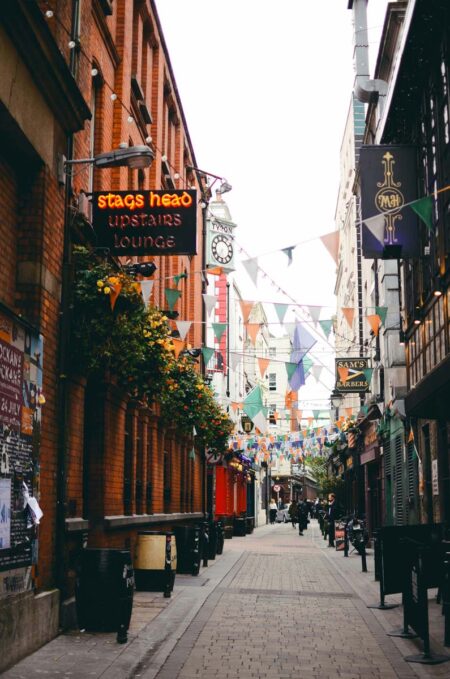
- Traditional pubs and live music
This is where you’ll start to unwind and the trip begins to take shape.

day 2: coast and glens of antrim
As you leave Belfast, you’ll begin to trace the coastline north.
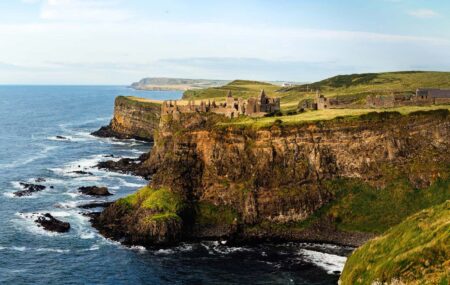
This is one of the most scenic drives in the UK. And it doesn’t take long before you start stopping more than planned.
The Glens of Antrim open up inland – deep, green valleys that feel completely different from the exposed coastline.
Highlights:
- Antrim Coast Road
- Carrick-a-Rede Rope Bridge
- Small villages like Cushendun
A perfect day that feels full without being rushed.

day 3: giant’s causeway & north coast
The Giant’s Causeway is the centrepiece of this route.
It draws people in – and for good reason. Around 40,000 basalt columns formed millions of years ago, shaped by volcanic activity and legend alike.
It can be busy. But timing changes everything.
From here, the coastline continues with equally impressive stops.
Highlights:
- Giant’s Causeway
- Dunluce Castle
- Old Bushmills Distillery
You could move quickly through this section. But it’s better if you don’t.

day 4: derry and return
On the final day, head west towards Derry (also known as Londonderry).
It’s a different kind of stop. Less about scenery, more about history and atmosphere.
Encircled by 17th-century walls, the city tells a deeper story of Northern Ireland’s past.
From here, return towards Belfast, taking your time on the final stretch.
Highlights:
- Derry’s historic city walls
- Peace Bridge over the River Foyle
- A slower, more reflective end to the trip
when is the best time to drive the causeway coast?
Most travellers plan a Causeway Coast road trip between May and September.
Longer days make a difference here. Especially when you’re stopping often.
That said, April and October can work just as well:
- Fewer crowds
- More flexibility with accommodation
- A quieter feel overall
The weather is less predictable. But that’s part of the experience.
driving the causeway coast: what to expect
Driving along the Causeway Coast is straightforward, but it’s not something to rush.
You’ll encounter:
- Narrow sections of coastal road
- Sudden changes in weather
- Constant reasons to stop
Journeys take longer than expected. Not because of traffic, but because you’ll keep pulling over.
For US travellers, driving on the left takes a little adjustment. Most find it settles in quickly, especially once you’re out of the city.
where to stay along the causeway coast
Accommodation is part of what shapes this trip.
The best stays tend to be:
- Close to the coastline
- Small, independent, and well positioned
- Somewhere you don’t feel the need to rush away from
Areas like Bushmills, Ballycastle, and Portrush work particularly well.
Availability can tighten during peak months, so planning ahead helps.
why travel with celtic routes?
A Causeway Coast road trip might look simple on a map.
But getting the pacing right is what makes it work.
With Celtic Routes, your self-drive journey includes:
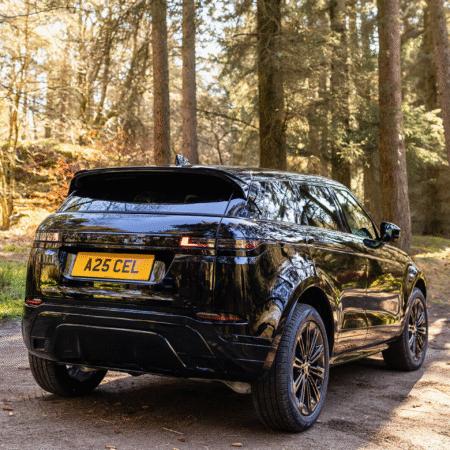
- A premium vehicle suited to coastal driving
- Accommodation that fits the route naturally
- A structure that avoids doubling back
- Local insight that adds depth to the trip
It’s still your journey. Just better considered.
plan your causeway coast road trip
The Causeway Coastal Route is one of those drives that stays with people.
Not because it’s long. But because of how much it fits into a relatively small stretch of coastline.
Take your time. Start early. Leave room for unplanned stops.
That’s when it works best.
If you’re ready to plan your Causeway Coast road trip, explore the full journey here:
👉 https://www.celticroutes.com/tour/the-best-of-the-causeway-coast/
Or speak to our team about shaping something around your own pace.