England’s rich history is written into its cities, castles, estates, and abbeys. From the capital city of London to the historic county of Yorkshire, there’s no shortage of remarkable places to see.
In this blog, we’ll be looking at six of England’s must-see historic locations. Whether you’re delving into the history of Vikings in York or immersing yourself in royal splendour at Buckingham Palace, you’ll be sure to have an unforgettable experience.
iconic cities of history
london
As the capital city of England, London is the ideal place to explore the country’s royal and parliamentary heritage. It boasts a variety of historic landmarks to visit, including Westminster Abbey, Big Ben and Buckingham Palace.
Westminster Abbey is the royal church where British monarchs, from William the Conqueror to the present King Charles III, have been crowned. Here, you can visit the Queen’s Diamond Jubilee Galleries or attend a talk on the ‘memorial of the month’.
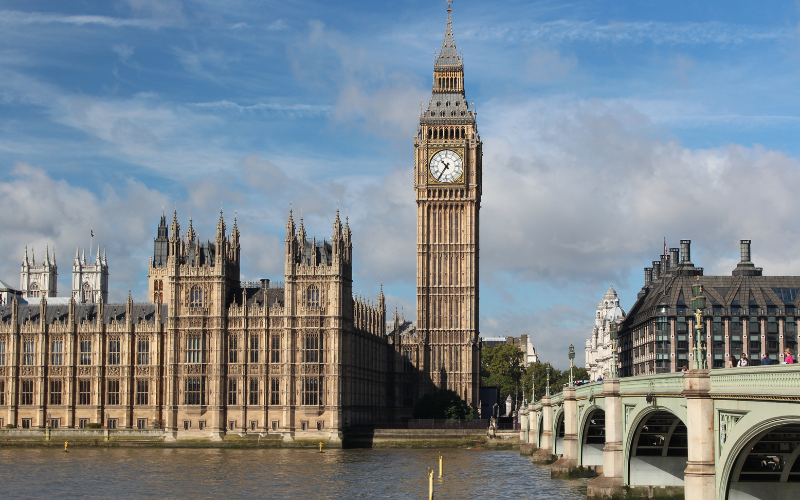
Just a short walk away, you’ll find Big Ben, a UNESCO World Heritage site and Parliament’s iconic clock tower. Officially renamed ‘Elizabeth Tower’ in 2012 to commemorate Queen Elizabeth II’s Diamond Jubilee, you can climb the historic tower itself through a pre-booked guided tour.
Also located in the city centre, Buckingham Palace is the magnificent official home of King Charles III. The palace’s State Rooms are open to visitors from July to September, which include the red-carpeted Grand Staircase, opulent White Drawing Room and beautiful marble statues throughout.
york
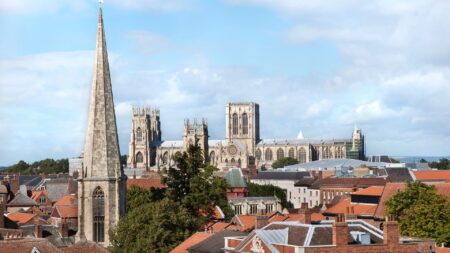
Walk the Roman walls, delve into Viking history, and marvel at the Gothic magnificence of York Minster in this gorgeous North Yorkshire city. York’s city walls will take you on a circular route around the city centre, from which you can take in views of its charming streets, red brick houses, and historic Clifford’s Tower.
York Minster is York’s magnificent cathedral, a building with 2000 years of history, imposing medieval architecture, and stained glass windows. Open throughout the week, it features the Undercroft Museum, Minster floor, Chapter House, and a crypt, with the possibility to book a tour of the tower depending on the weather.
For a closer look at York’s Viking history, a visit to the JORVIK Viking Centre is a must. The museum features an immersive ride which will take you back to 10th-century York, as well as an exhibition of Viking-age remains and artefacts. Make sure to book your tickets in advance for this popular tourist attraction.
aristocratic estates & country heritage
castle howard
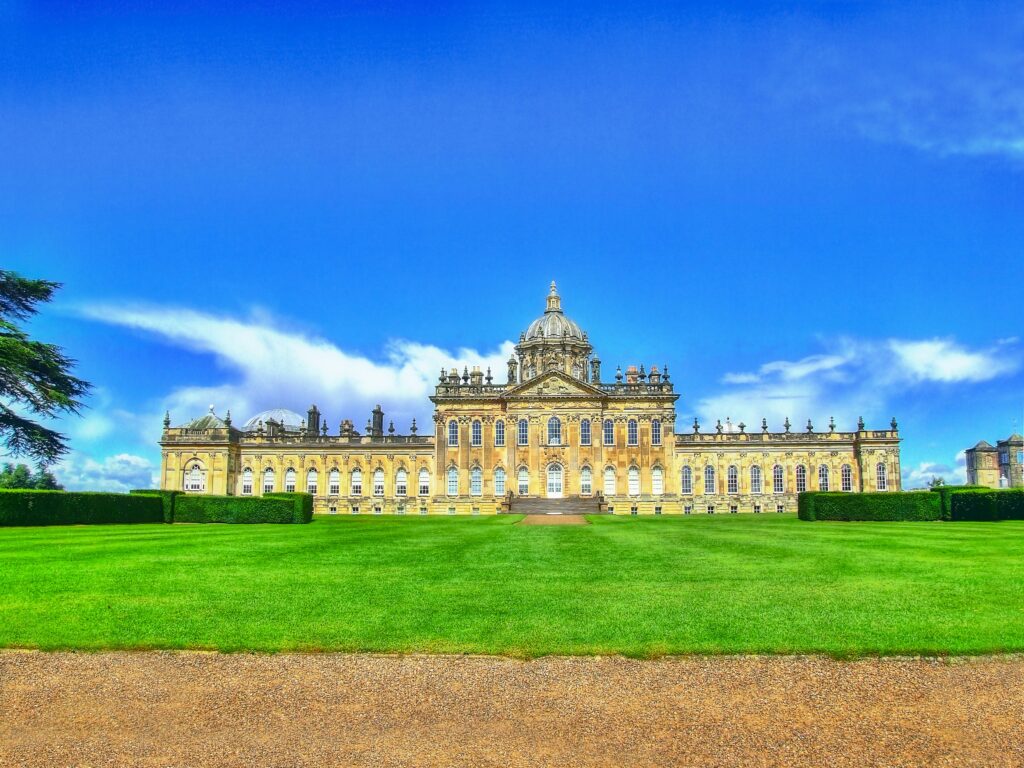
This architectural masterpiece is a symbol of aristocratic grandeur and a window into the lives of England’s nobility. It’s no wonder that Castle Howard was chosen as a filming location for season one of Bridgerton, with its dramatic Great Hall, gorgeous Walled Garden and beautiful Temple of the Four Winds.
Constructed between 1699 and 1702, Castle Howard has been home to eight generations of the Howard family, descendants of the 4th Duke of Norfolk. The house itself is open between April and October, and specially decorated for Christmas from November to January. It’s also surrounded by 1,000 acres of parkland, including the breathtaking Ray Wood, tranquil lakes, and eighteen historic statues.
For a truly immersive experience, you can stay in the Castle Howard estate’s range of charming holiday cottages. Each cottage comes with a log burner and outdoor space so you can relax and enjoy the local village experience.
swinton park
Located on the edge of the Yorkshire Dales, this grand estate is the historic residence of the Earl of Swinton. Originating as a Georgian country house, Swinton Park was expanded in the early 1800s, with the addition of its iconic Gothic turrets and beautiful castellations. Since 2001, it has been operating as a Castle Hotel, with recent expansions including a cookery school, Birds of Prey centre, and a country club.
The hotel itself is surrounded by around 200 acres of historic gardens and parkland, including one of the largest walled gardens in England. Nature lovers will enjoy seeing the Parkland Deer Herd, which has supposedly been roaming the Deer Park since the late 1700s. There are also plenty of activities to immerse yourself in, including estate history tours, clay pigeon shooting and cricket on the lawn.
sacred & monastic ruins
rievaulx abbey
These atmospheric ruins are set in a tranquil valley, telling stories of medieval monks and their historic influence. Located near the gorgeous market town of Helmsley, with a great walking route from Helmsley Castle, Rievaulx Abbey is a must-see English Heritage site.
As one of England’s first Cistercian abbeys, it was founded in approximately 1130 and lies within the North York Moors National Park. Step into the ruins to immerse yourself in its monastic history, then visit the museum to learn more about the abbey’s 900-year-old history. Here you can get up close with local artefacts and medieval stone carvings which tell the story of the abbey’s rise and fall.
Discounts are available on advanced online bookings, so we recommend purchasing tickets in advance of your trip.
fountains abbey
A UNESCO World Heritage Site where history, architecture, and natural beauty combine, Fountains Abbey features historic ruins and a breathtaking water garden. The abbey’s history can be traced back almost 900 years, when it was founded by 13 Benedictine monks and began operating as a Cisterian monastery. Many years later, in 1767, the abbey was purchased by William Aislabie to become part of the Studley Royal Deer Park.
Guided tours of the abbey ruins take place between 12 and 2pm daily, and will take you from the Porter’s Lodge through to the Chapel of the Nine Alters, the Cellerium and East Abbey remains. You can also admire the abbey ruins from a distance by exploring the surrounding Georgian water garden. If you’re lucky, you might also catch a glimpse of the three varieties of deer that call Studley Park their home.
explore england’s history with celtic routes
Visiting these historic cities and landmarks uncovers the layers of England’s history in vivid, immersive ways. Experiencing this through a self-drive tour is the perfect opportunity to step back in time, with every drive offering a new chapter in England’s story.
At Celtic Routes, our expertise is weaving together Roman, Viking, royal, and monastic heritage into unforgettable journeys. We’re all about connecting iconic landmarks with hidden heritage, offering a seamless way to explore England’s past. Why not start planning your tour of England, to see its best historic sites for yourself?